Water-based treatment has grown into an important component of modern sports rehabilitation because it uses hydro-based methods to assist the body’s innate healing functions. Athletes often deal with post-exercise stiffness, tissue swelling, and joint stiffness after high-intensity workouts. By using warm water, cooling baths, or a combination of both, hydrotherapy helps reduce these effects in a structured and targeted way. This type of aquatic treatment supports circulation, encourages muscle calming, and offers a reduced-stress environment for therapeutic movements.
One of the most valued benefits of hydrotherapy is its ability to enhance blood flow. Warm-water immersion can dilate blood vessels, which supports the delivery of oxygen and nutrients to tired muscles. Cooling therapy, often applied following strenuous workouts, limits swelling and muscle damage by cooling tissues and moderating inflammation. Many sports recovery systems now implement contrast water therapy, which shifts between hot and cold water to stimulate faster recovery. These methods make hydrotherapy a versatile option for managing a range of post-exercise conditions.
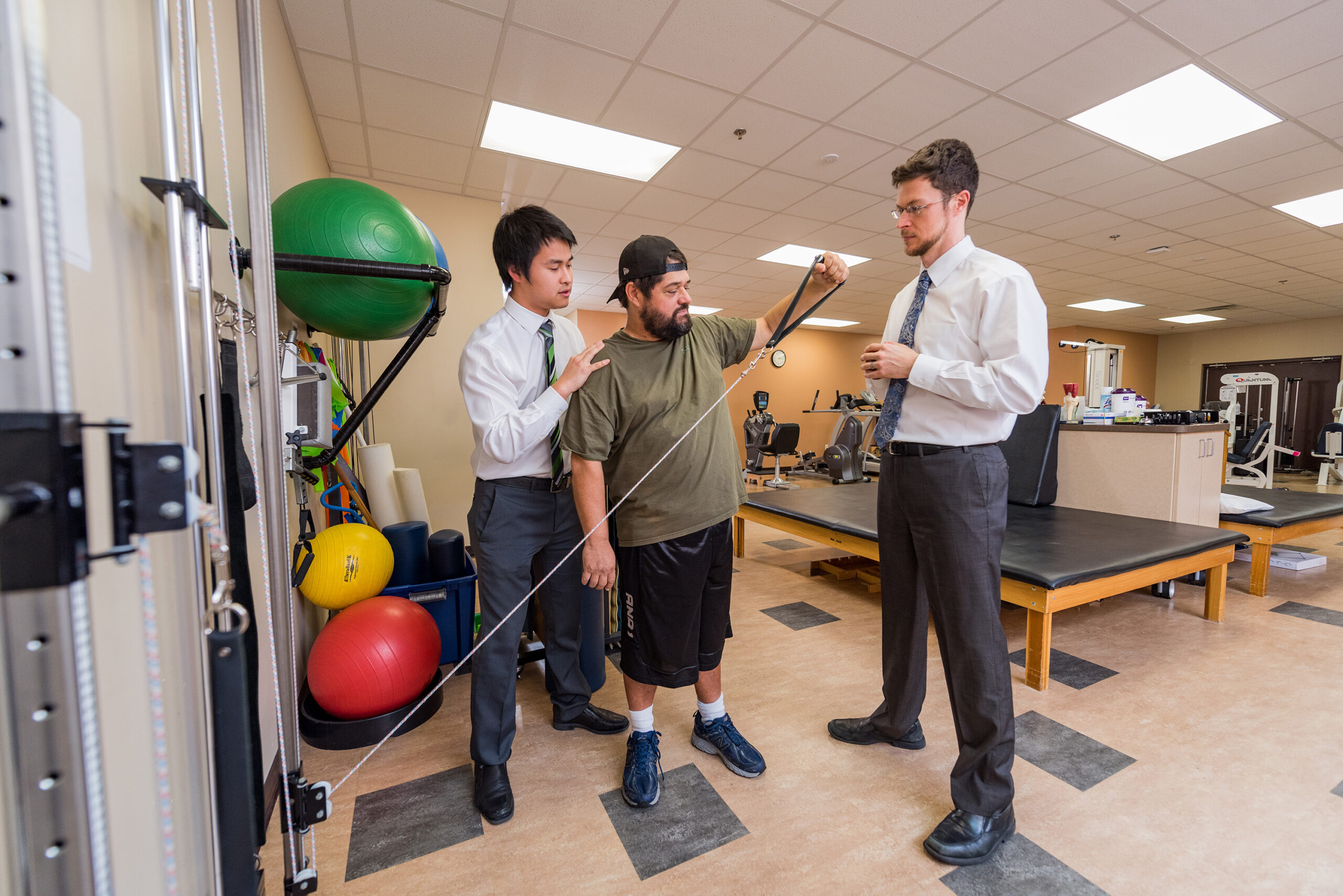
Hydrotherapy is also beneficial for minimizing tightness and promoting mobility. Water’s natural buoyancy takes pressure off joints, allowing athletes to move more freely during rehabilitation web link sessions. This is especially useful for athletes recovering from musculoskeletal issues such as ligament injuries, muscle tears, or tendon-related conditions. Aquatic exercises, including gentle gait training, flexibility work, and resistance movements, help restore strength without placing additional stress on recovering structures. Because of this, water-based rehabilitation has become a widely used technique in both rehabilitation clinics and athlete training facilities.
Another significant feature of hydrotherapy is its role in psychological recovery. Athletes frequently experience stress from competitive environments, training demands, and body strain. Warm-water therapy can support relaxation by calming the nervous system, reducing muscle tightness, and encouraging a sense of comfort. This can improve sleep quality, focus, and overall performance. When combined with proper hydration, balanced nutrition, and structured rest, hydrotherapy plays a valuable part in maintaining an athlete’s long-term well-being.
Overall, hydrotherapy provides a practical and science-supported approach to athletic recovery. Through temperature-based therapy, buoyancy-assisted movement, and improved circulation, water treatment helps the body recover more efficiently. As sports programs place greater focus on recovery and injury prevention, hydrotherapy continues to browse around here be a reliable method for boosting performance and assisting individuals during both conditioning and healing phases.